
Periodontal Maintenance In Richmond, VA
Understanding Periodontal Disease In Richmond, VA
Gum health plays an important role in keeping your teeth strong and healthy. Periodontal disease develops when bacteria and plaque irritate the gums and, over time, begin affecting the tissues and bone that support your teeth. You may notice bleeding or swollen gums, recession or changes in how your teeth feel, but periodontal disease does not always cause noticeable symptoms in its earlier stages. Without appropriate treatment and ongoing periodontal maintenance, it can eventually compromise the structures that help keep your teeth in place.

Periodontal disease is a chronic condition that requires continued attention, even after active treatment has improved your gums. At James River Family Dentistry, Dr. Guthrie can monitor your gum health, provide the professional care you need and help you establish an effective routine at home. Regular periodontal maintenance can help keep the condition under control and support the long-term health of your smile.
Why Should I Receive Periodontal Maintenance?
Even after receiving initial treatment for periodontal disease, periodontal maintenance is still the foundation of keeping your gums on the track to wellness. Following initial treatment, your gums may look and feel healthier. However, bacteria and plaque can still accumulate on hard to reach areas that are difficult to clean at home. By receiving regular and professional maintenance, Dr. Guthrie can monitor your gum health and remove bacterial deposits.
What Are The Risk Factors For Periodontal Disease?
Several factors can make someone more likely to develop periodontal disease. Knowing what may put your gums at risk can help you take steps to protect your oral health.
How Is Periodontal Disease Diagnosed?
To diagnose gum disease, Dr. Guthrie will perform a comprehensive evaluation of your gums and supporting tissues. She will look for signs such as inflammation, bleeding and gum recession and use a special instrument to measure the depth of the spaces, or pockets, between your teeth and gums. Deeper pockets may indicate more advanced disease.
X-rays may also be taken to determine whether bone loss has occurred around affected teeth. In some cases, testing may be recommended to identify specific types and quantities of bacteria in your mouth. This evaluation helps Dr. Guthrie understand your periodontal health and determine which treatment and maintenance options are appropriate for you.
Periodontal Maintenance With ARESTIN®
ARESTIN® is a prescription antibiotic containing minocycline that may be used as an adjunct to periodontal treatment. When appropriate, Dr. Guthrie applies it directly into the pockets between the teeth and gums where bacteria can thrive.
This localized treatment helps reduce the bacterial load and control infection while supporting gum healing. ARESTIN® provides a targeted and sustained release of the antibiotic and is typically used alongside treatments such as scaling and root planing rather than as a standalone treatment. Dr. Guthrie will determine whether this additional treatment is appropriate based on your individual periodontal needs.
Scaling & Root Planing
If Dr. Guthrie finds signs of periodontal disease below the gumline, she may recommend scaling and root planing to help get your gums back on track. Unlike a routine cleaning, this treatment focuses on areas that are difficult to reach with brushing and flossing.
Before treatment, Dr. Guthrie will examine your gums and explain which areas need attention. Local anesthesia may be used to keep you comfortable while she carefully cleans around and below the gumline and smooths the root surfaces.
Your treatment plan will depend on your individual needs. Some patients may need more than one appointment. Dr. Guthrie will monitor your gums after treatment and let you know if additional care or periodontal maintenance is recommended.
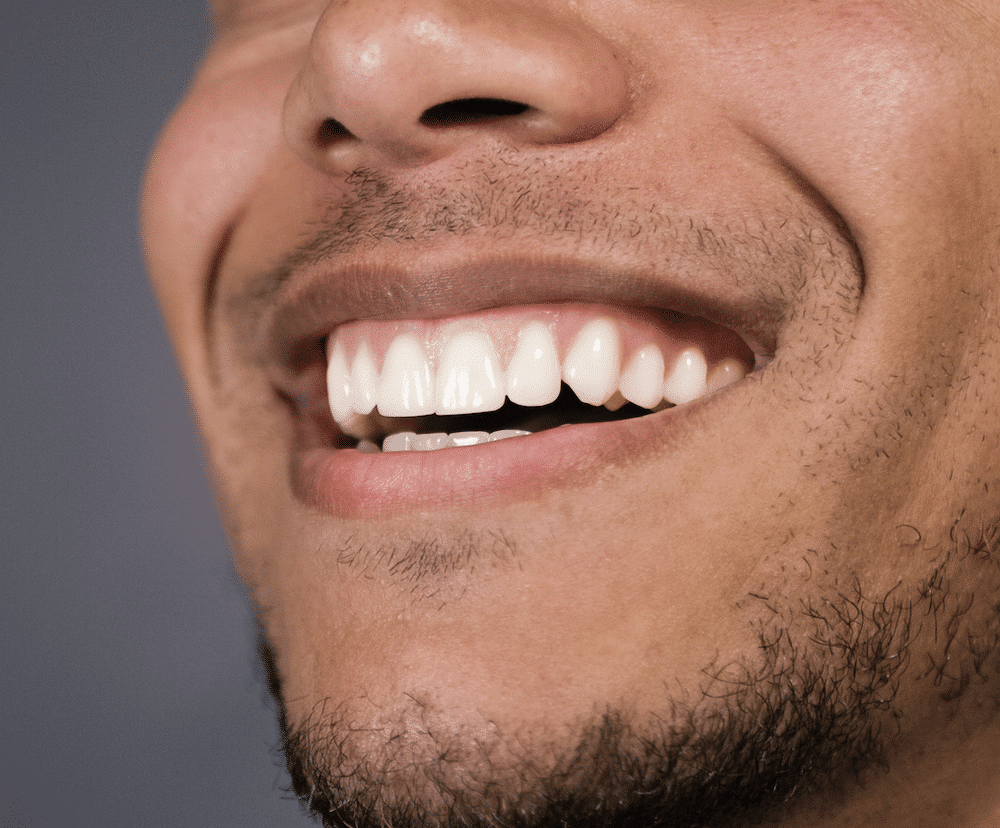
The Benefits of Scaling and Root Planing
Scaling and root planing can help get your gums healthier by addressing the buildup that contributes to periodontal disease. Depending on your needs, treatment may help with:
Frequently Asked Questions
Managing periodontal disease is an ongoing process, and it is natural to have questions about what happens after treatment and how you can protect your gums between visits. Dr. Guthrie can help you understand what to expect from periodontal maintenance and how your care can support your long-term oral health.
Ready To Get Started?
Dr. Guthrie and our team are ready to provide thoughtful, personalized dental care in a comfortable and expertly managed setting. If you have been diagnosed with periodontal disease or have concerns about your gum health, regular periodontal care can help you take a proactive approach to protecting your smile. Contact us or request an appointment online today!

Ready To Get Started?
giving you the elevated dental care experience you deserve
Dr. Guthrie and her team are ready to provide you with top-notch dental services within a pristine and expertly managed setting. We aim to ensure that patients of all ages feel at ease and self-assured during their dental visits. Ready to schedule an appointment with JRFD?