
Millions of people unconsciously grind their teeth, an action formally known as bruxism. Although occasional bruxism is not likely to cause significant damage, many people are unaware that they have been clenching their jaw and grinding their teeth until worrisome symptoms develop. Recognizing the signs and understanding the treatment options available at James River Family Dentistry could help you avoid some of the many potential consequences of grinding your teeth.
What Causes Bruxism?
Most often, bruxing is an unconscious activity. A person living with it will most often grind their teeth back and forth or side to side. Although researchers have yet to identify the exact cause of bruxism, current investigations suggest a combination of physical, psychological and genetic influences. Some of the following factors can contribute to the development:
- Emotional Considerations – stress, anxiety, anger and frustration can initiate episodes
- Medications and Substances – including some psychiatric medications, caffeinated beverages and nicotine
- Medical Conditions – it is often associated with ADHD, Parkinson’s disease, GERD (gastroesophageal reflux disorder) and dementia
- Sleep Disorders – including obstructive sleep apnea, night terrors and other conditions that disrupt sleep cycles
- Dental Problems – a misaligned bite, crooked teeth and tooth loss can lead to grinding
Ideally, your upper and lower teeth would only touch when you are talking, chewing or swallowing. If you are clenching or grinding your teeth, your jaw does not have an opportunity to relax. The continuous pressure on your teeth can cause excessive wear and a considerable number of symptoms.
What are the Symptoms?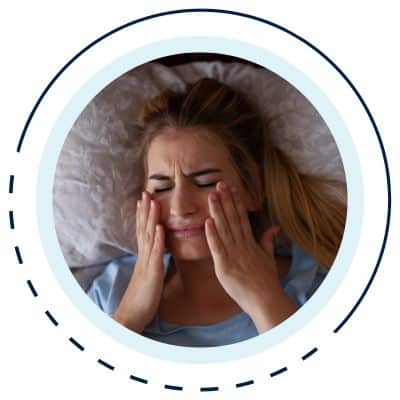
While some people grind their teeth for years without developing noticeable symptoms, others develop issues without realizing their discomfort could be the result of teeth grinding. If you’ve been grinding your teeth, you may recognize some of the following symptoms:
- Headaches that typically start at the temple
- Worn or cracked tooth enamel
- Tooth sensitivity
- Damaged restorations
- Loose or broken teeth
- Earaches or jaw pain
- Worsening of TMJ symptoms
- Changes in facial appearance
- Sleep disruptions
- Injury to the inside of the cheek
Although not all instances require treatment, if you are troubled by any of the symptoms listed above, consider making an appointment with Dr. Guthrie for an evaluation. She is a great source of information about it and how teeth grinding is affecting your smile.
What are the treatment options?
Nocturnal bruxism is a sleep-related movement disorder. Daytime bruxism is most often a result of stress, anxiety or habit. Depending on the cause of your bruxism and the results of your examination, Dr. Guthrie will likely recommend one or more of the following treatment options:
- STRESS MANAGEMENT. Since research suggests that nearly 70 percent of bruxism is a direct result of stress or anxiety, stress management techniques can reduce the frequency or severity of bruxism. Some of the most commonly advised methods of stress reduction include meditation, yoga and biofeedback.
- MEDICATION. Although medications are not an effective treatment for bruxism on their own, if clenching and grinding are causing considerable jaw pain, your practitioner may recommend the short-term use of a muscle relaxer. If bruxism might be a side effect of prescription medication, your health care provider may want to adjust your dosage or prescribe an alternative.
- DENTAL CORRECTION. If bruxism has caused enough wear to interfere with your ability to chew, your dentist may recommend reshaping the chewing surfaces of your teeth. When bruxing results in damage or sensitivity, dental crowns may provide welcome relief. For bruxism resulting from misalignment, a consultation with Dr. Guthrie could be your first step to managing bruxism and alleviating symptoms.
- A NIGHT GUARD OR DENTAL SPLINT. Bite splints and night guards are dental appliances designed to minimize the damage caused by clenching, gnashing and grinding. Commonly used for TMJ, a dental splint will ease muscle tension and stabilize your jaw. A custom night guard creates a physical barrier that protects your teeth from further damage. Many dental appliances designed to protect teeth from the effects of bruxism are similar in comfort and appearance to the clear silicone trays commonly used to straighten teeth.
Bruxism can cause tooth sensitivity, jaw pain, broken restorations and more. If you suspect your symptoms are caused by teeth grinding, consider scheduling an appointment with James River Family Dentistry. While it is not likely to resolve on its own, our team will recommend the best combination of treatment options to restore and preserve the health and appearance of your smile.