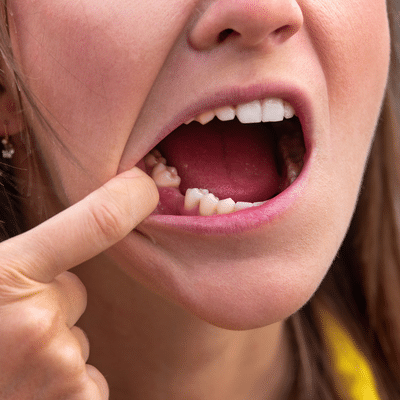
 Losing a tooth affects more than the appearance of a smile. A missing tooth can make chewing more difficult, speak and bite while leaving an open space between the remaining teeth. If you’ve been putting off replacing a missing tooth, you may wonder whether it really needs attention. The answer depends on the location, your oral health and your individual needs. At James River Family Dentistry in Richmond, VA, patients have multiple options for replacing missing teeth, including dental implants.
Your Remaining Teeth May Shift
A gap in the smile changes the way the surrounding teeth interact. Remaining teeth may shift. This movement affects the alignment of your bite and makes chewing less comfortable.
Replacing missing teeth helps maintain proper bite alignment and prevents remaining teeth from shifting into the open space.
That does not mean every case creates the same problems. Research published in the Journal of the American Dental Association found that the effects of leaving a single missing back molars untreated varied considerably among patients. Regular evaluations remain important for monitoring changes in the surrounding teeth and supporting structures.
Your Bite and Chewing May Change
Teeth work together when you chew. Losing just one changes that balance and may cause you to rely more heavily on other areas of your mouth. A lost molar, for example, affects how effectively you chew even when the gap is not visible when you smile.
Replacing a missing tooth restores a functional part of the smile and helps you continue everyday activities such as eating and speaking. Dental implants are a replacement option designed to bring back both the appearance and function of the smile.
Bone Loss May Occur
A missing tooth also affects the jawbone. Natural roots stimulate the surrounding bone, and losing one removes that source of stimulation. Over time, bone loss may occur around the area where it once existed.
Implants address this concern differently from other replacement options. Implants are securely anchored in the jawbone and help preserve and stimulate bone growth. The implant functions as an artificial root, providing a foundation for a replacement crown.
Implants replace roots and require the jawbone to heal around the implant to create a solid foundation for the replacement.
Your Appearance May Change
A missing tooth creates a visible gap, particularly when it’s toward the front of the mouth. It also affects the appearance of the smile and, in some cases, the natural shape of the face.
Replacing it provides a way to restore the appearance of the smile. At James River Family Dentistry, replacement crowns are custom-made to match the other teeth, helping create a natural-looking result.
What Are Your Replacement Options?
If you have a missing tooth, you have several options to discuss with Dr. Guthrie. The ADA identifies bridges, dentures and implants as options for replacing lost teeth. The right choice depends on factors such as the number of missing teeth, their location and your individual oral health needs.
We offer bridges and dental implants for patients. Bridges replace a missing tooth by connecting an artificial replacement to surrounding teeth, while implants provide an artificial root anchored in the jawbone.
Is It Time to Replace a Missing Tooth?
Leaving a missing tooth alone doesn’t always lead to immediate problems, and research shows that the effects of an untreated single missing back molars vary between patients. However, missing teeth may affect chewing, speech, positioning, bone health and the appearance of your smile. At James River Family Dentistry in Richmond, VA, an evaluation helps determine whether replacement makes sense for your situation.
If you have a missing tooth, we can help you explore replacement options. Dental implants provide a stable, long-term option designed to improve both the look and function of a missing tooth. Request your appointment today!