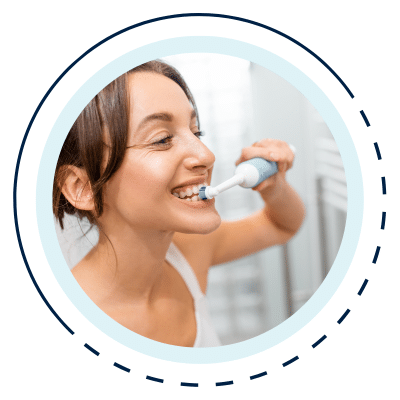
Your oral health can say a lot about your overall health. That’s why it’s crucial to make sure you’re taking the best care of your teeth and gums possible. Regular brushing, flossing, and dental checkups are essential components of maintaining good oral hygiene, but many people are now turning to electric toothbrushes to give their routine an extra boost. Electric toothbrushes have become more popular in recent years as people have become more interested in oral health, and for good reason.
They offer several benefits, such as providing consistent brushing power, making it easier to maintain the right brushing technique, and often featuring built-in timers to ensure you’re brushing for the recommended two minutes. However, electric toothbrushes can be more expensive than manual options, and some users may find them bulky or difficult to handle. In our latest blog, we break down the pros and cons of choosing an electric toothbrush so you can make an informed decision on what’s best for your oral health.
Pros of an Electric Toothbrush
There are several benefits to using an electric toothbrush. These include:
- It can help you have better oral health. This is because it cleans your teeth more thoroughly than a manual brush can.
- It can help you reduce plaque build-up. Plaque is a sticky film that can form on your teeth and gums, and lead to cavities and gum disease if not removed.
- It can help you reduce your risk of cavities. Cavities are caused by plaque build, and can be painful and expensive to treat.
- It is more convenient than a manual toothbrush. It doesn’t require any manual labor – all you have to do is turn it on!
- It is more efficient than a manual toothbrush. It can cover more surface area in less time, meaning your teeth will be cleaner overall.
Cons of an Electric Toothbrush
There are some drawbacks to selecting an electric toothbrush. Some of the top reasons why people might choose not to use an electric toothbrush include:
- It can be more expensive than a manual toothbrush.
- It requires batteries or to be plugged into work, which can be inconvenient.
- Some people find that the pulsing and vibrating of an electric toothbrush makes brushing more difficult and uncomfortable.
- It can be difficult to clean properly, which can lead to bacteria build-up over time.
- Electric toothbrushes can contribute to gum recession if used incorrectly or if you are prone to gum recession.
Tips to Using an Electric Toothbrush
- Be sure to replace the brush head regularly. This is important for two reasons: it helps keep your teeth clean, and it prevents bacteria from building up on the brush head.
- Be sure to wet your teeth and gums before using the toothbrush. This will help the bristles glide over your teeth and gums more easily.
- Hold the toothbrush at a 45-degree angle against your teeth and gums, and use gentle circular motions to brush.
- Brush for two minutes, twice a day.
Everyone’s oral health is unique, so make sure to consult Dr. Guthrie about your oral health habits. If you have receding gums, sensitive teeth, or other specific dental concerns, she might not recommend an electric toothbrush as it could cause discomfort or further irritation. Dr. Guthrie can provide personalized advice and help you choose the best tools and techniques for your individual needs. Whether you’re considering a switch or looking for guidance on brushing, Dr. Guthrie is happy to give you expert recommendations on how to best care for your teeth. Contact us today to schedule a consultation and take the next step toward achieving optimal oral health!